Six Signs You’ve Threaded a Strong End-to-End GTM
One of the biggest myths in business is that go-to-market (GTM) is just external sales and marketing campaigns.
We believe the limited view and siloing of this is what makes so many new ideas, concepts, transformations, products, services, offerings, processes, technologies, roles, or even mindset—fail.
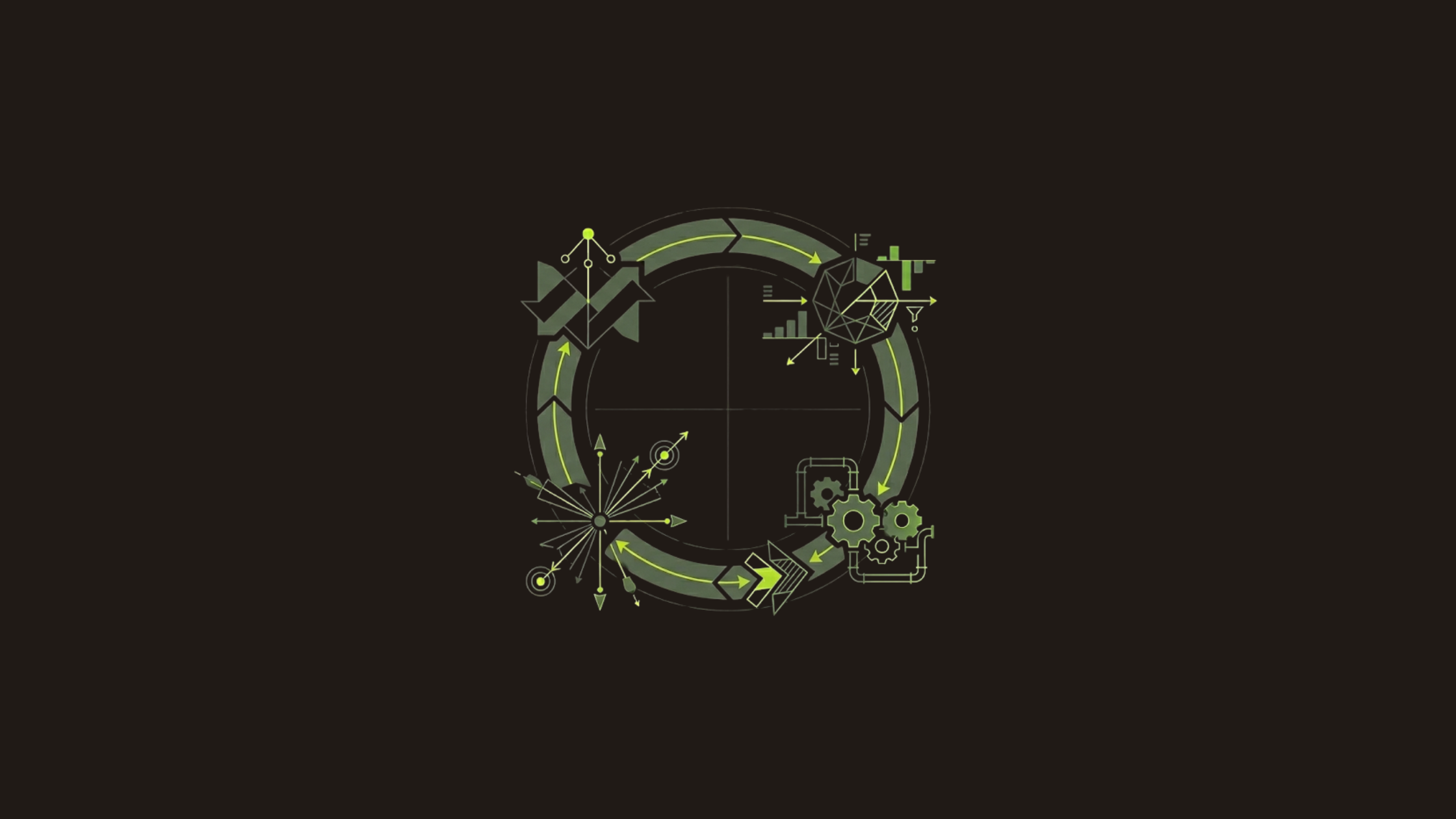
So, what exactly is go-to-market (GTM)?
It’s end-to-end GTM lifecycle covers strategy, product, operations, change, sales, and marketing.
Strategy includes attunement to the problem and opportunity, visioning around the direction, and planning to build the business case and actions.
Product helps us deepen our focus on solutions that drive the strategy. This is where we drill down into the capabilities, competencies, features, and functionality of the things we’re trying to evolve.
Operations is how we make all of the new ideas real within current systems, methodologies, frameworks, processes, teams, technologies, partnerships, and more.
Change management is how we help internal stakeholders understand, adopt, and sustain the new strategy, product, or process.
Sales focuses on enabling the frontline team with consistent messaging, tools, and processes required to articulate the value proposition and close deals.
Marketing ensures the external communication strategy aligns with the internal GTM components, driving awareness, demand, and positioning across all channels.
You see, if you want to bring something new to market, you have to thread the needle from the strategy straight through to marketing.
So often companies look outward only when actioning a GTM. Yet, inward is equally if not foundationaly more important.
There’s an internal and external component to any successful GTM—your teams are bought into the direction, can take on the change, and customers are engaged according to strategy.
Below are six signs you’ve threaded a strong end-to-end GTM solution across internal and external capabilities:
Employees feel as though the company “walks the talk.” When internal values and operations mirror external marketing, it builds profound trust. This consistency ensures that the brand promise is backed by a reality employees experience daily, turning them into authentic advocates who believe in the growth strategy because they see it in action.
Every employee is excited to sell in the business. Strong GTM alignment creates clarity that removes friction. When every team member—from engineering to HR—understands the value proposition, their natural enthusiasm becomes a powerful sales engine. This collective energy is contagious to customers and stakeholders alike.
Employees can articulate what drives repeated success. Success shouldn't feel like a fluke. In a threaded GTM model, the "how" behind wins is transparent. This shared understanding allows teams to identify winning patterns, scale what works, and pivot quickly based on a unified strategic framework rather than guesswork.
Speed to market is fast with all hands on deck. Internal silos are the biggest killers of momentum. When GTM is truly end-to-end, cross-functional dependencies are mapped out early. This alignment reduces bottlenecks, allowing the organization to capitalize on market opportunities with unprecedented agility and speed.
Employee engagement and revenue increase together. This is the ultimate validation. Higher engagement leads to better execution, which drives customer satisfaction and revenue. This creates a virtuous cycle where financial growth fuels further investment in the people and culture that made the success possible.
Customer experience is seamless and predictable. The internal alignment you've achieved translates directly into a reliable, consistent customer journey, from initial contact through post-sale delivery. This predictability reduces churn, increases lifetime value, and turns customers into powerful advocates because the company always delivers on its external promise.
If your GTM feels fragmented, it's time to stop looking only outward. The greatest competitive advantage is achieved when you thread the GTM needle from strategy through operations, change management, and culture. A strong GTM solution is built inward first, ensuring every team, system, and process is aligned before you ever talk to a customer.
Ready to turn your internal alignment into reliable external growth? We can help.